If your business growth strategy relies on willpower, you're building on sand.
Willpower is finite. Capacity is designable.
For neurodivergent entrepreneurs, veteran-owned businesses, and overwhelmed parents, the difference between those two approaches is everything.
Why “Just Push Through” Doesn't Scale
Traditional business advice tells you growth requires:
- Longer hours
- More discipline
- Stronger focus
- Better time management
But if your brain doesn't produce executive function on demand, or your energy crashes unpredictably, those strategies don't work—they backfire.
Willpower-based growth
says: Work harder until it works.
Capacity-based growth says: Build systems that work even when you can't.
What Capacity Actually Means
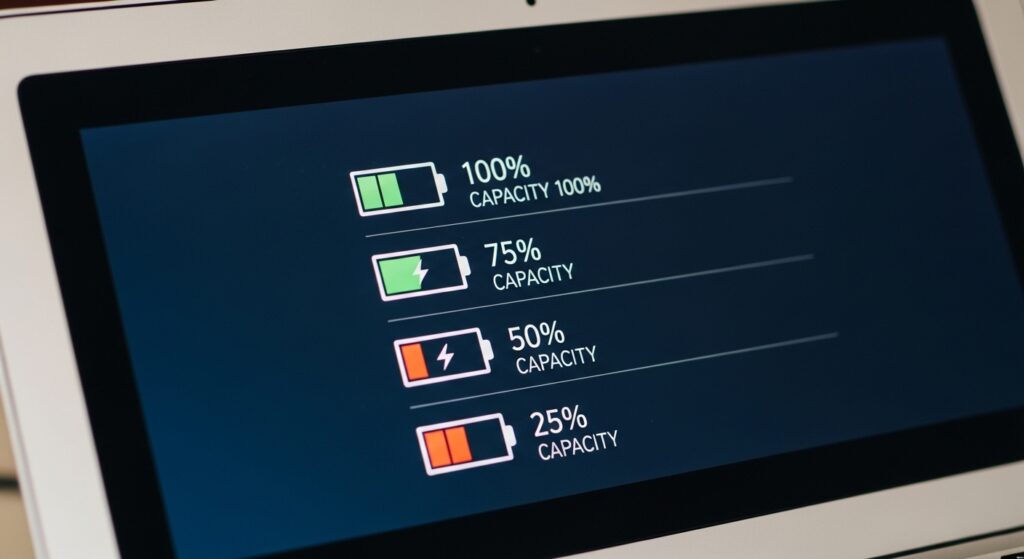
Capacity isn't about how much you can do on your best day. It's about what you can sustain on your average day—and what still functions on your worst.
Think of it like this:
High-capacity day (80-100% energy):
You can strategize, create, problem-solve, and execute complex work.
Medium-capacity day (50-70% energy):
You can follow systems, deliver from templates, and maintain momentum.
Low-capacity day (20-40% energy):
You can execute checklists, respond to automations, and rest without guilt.
If your business only works on high-capacity days, you don't have a business—you have a performance dependency.
The Capacity-Respecting Business Model
1. Visibility That Doesn't Require Daily Output
Stop requiring yourself to “show up” every day on social media.
- Google Business Profile = passive, search-based visibility
- Evergreen blog content = works while you rest
- Email sequences = nurture without live posting
Your business can be visible even when you're not.
2. Defined Offers That Don't Drain You
Custom everything = decision fatigue on repeat.
- 2-3 clear packages
- Fixed scope and pricing
- Repeatable delivery process
Every custom proposal you avoid is cognitive energy you preserve.
3. Automation as Capacity Protection
Automation isn't lazy—it's strategic.
- Inquiry auto-responses
- Review requests
- Onboarding emails
- Invoice reminders
These aren't “nice to have.” For variable-capacity brains, they're survival infrastructure.
How to Audit Your Capacity Gaps
This week, track your energy and notice:
What breaks when you're low-energy?
That's where you need systems.
What requires you at 100% to function?
That's what needs to be redesigned or eliminated.
What still works when you're running on fumes?
That's your model. Build more of that.
Real Capacity Redesign
A neurodivergent consultant came to me burned out. Her business required her to:
- Customize every proposal
- Post daily on Instagram
- Remember to follow up manually
We redesigned for capacity:
- Three fixed-price offers (no custom quoting)
- Google Business Profile (no daily posting)
- Automated follow-up system (no memory required)
Her revenue stayed the same. Her stress dropped by half.